Be yourself; Everyone else is already taken.
— Oscar Wilde.
This is the first post on my new blog. I’m just getting this new blog going, so stay tuned for more. Subscribe below to get notified when I post new updates.
Be yourself; Everyone else is already taken.
— Oscar Wilde.
This is the first post on my new blog. I’m just getting this new blog going, so stay tuned for more. Subscribe below to get notified when I post new updates.
Coronavirus. A medical professional would know how the meaning of this word has changed drastically in the past 3 months. From being the virus that causes ‘common cold’, to today- where it has killed over 13000 people worldwide, and it’s just getting started. The novel coronavirus (2019-nCov or SARS-CoV2) is the latest from the family of viruses known as ‘coronaviridae’. This family is notorious for causing respiratory disease outbreaks, second only to the Influenza family of viruses.
India. A country of 1.34 billion (134 crore), with much of this population living in poor hygiene and clustered environments. Developed countries like Italy and US are struggling to meet the healthcare demands coronavirus has produced. Needless to say, the health system of India is grossly under-equipped to handle a blow of the same magnitude.
Mix these two. It is a recipe for disaster. Let us see how.If you are not a medical professional, you can ignore the jargon in between. I will go on to explain everything in simplified terms.
Epidemics grow exponentially, not linearly. Most of you would already know this. But even then, many of us will be surprised when we see the increasing number of daily new cases a week from now. That is, the human mind does not comprehend exponential growth very well. To make more sense of what we should expect in the coming weeks-months, let us take a look at a mathematical model of the same. The model used here is the SEIR model, which has been used to accurately predict previous outbreaks like SARS.
Before we start predicting stuff, we need to know the input parameters first- the stats we feed into the model. The first one is R0 (R-naught) also called the Basic Reproduction Number. It is essentially the number of new cases a single infected person will cause during their infectious period. It is one of the most important parameters for assessing any epidemic- it indicates how contagious the virus is. Coronavirus has an R0~2.4. In contrast, the H1N1 virus had an R0~1.5 in the 2009 swine flu epidemic. The R0 will inform us about how many people will get infected.
The second one is the Case Fatality Rate (CFR), which is the percentage of infected people that will die due to the infection. The CFR for coronavirus has been reported between 0.5–4%. The higher values are more appropriate in resource poor settings where the quality of hospital and intensive care might be constrained(developing countries), or in places where the epidemic caused a sudden surge in the number of cases requiring critical care which overwhelmed the otherwise sufficient healthcare system (developed countries like Italy and USA). To achieve the lower end of CFR, early and definitive intervention to prevent the sudden surge is needed, as seen in areas of China outside Hubei (origin of the epidemic) and in South Korea, both of which saw a CFR ~1%. The CFR will inform us about how many people will die.
I must stress that estimations of an ongoing epidemic are only rough estimations, as we still don’t know the definite parameters of this viral disease. The point here is not to give you pinpoint numbers, but to put in context the magnitude of the problem we face and how different steps we take can bring a change in those numbers.
The references for the parameters used has been provided at the end of the article.
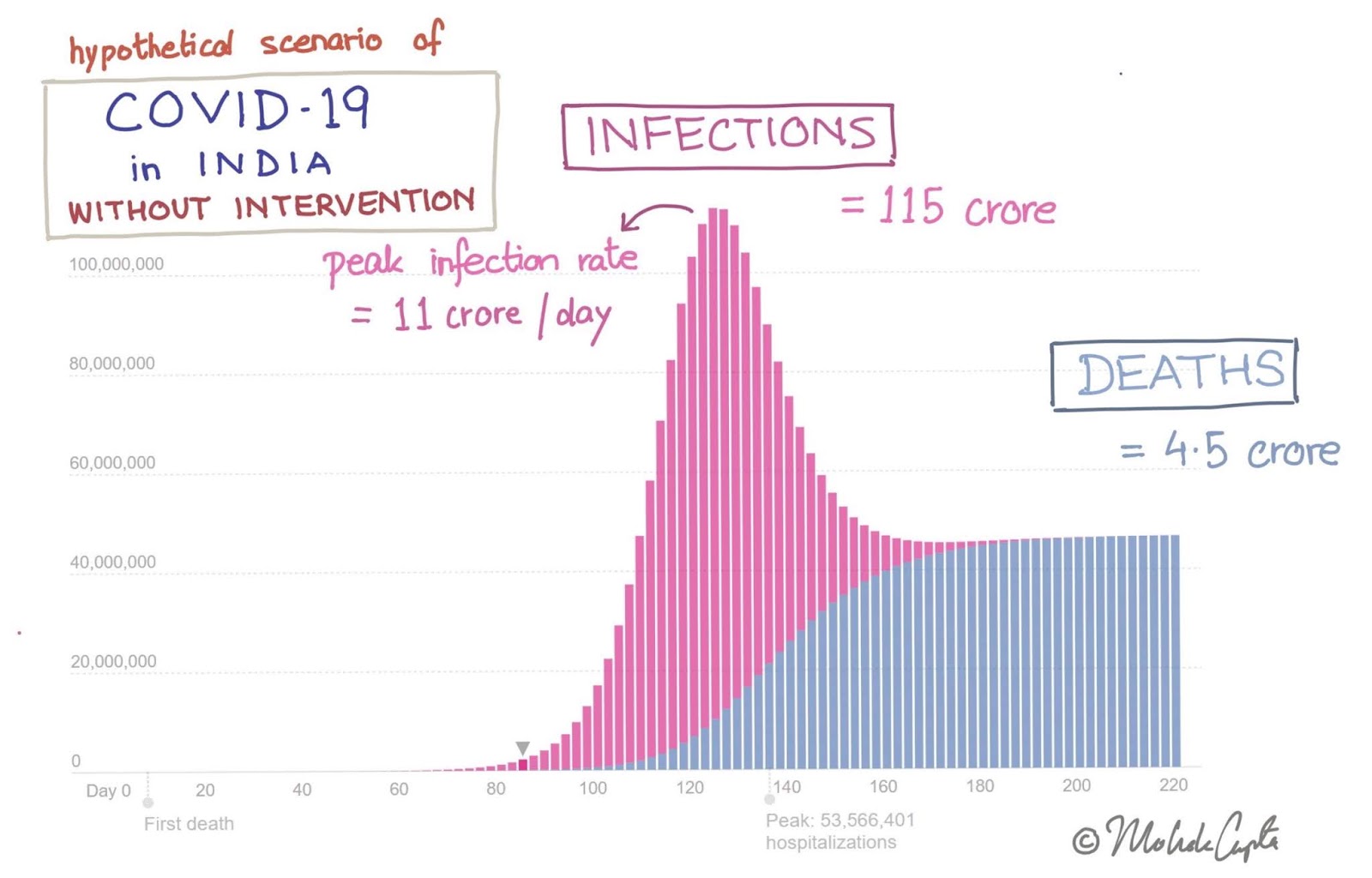
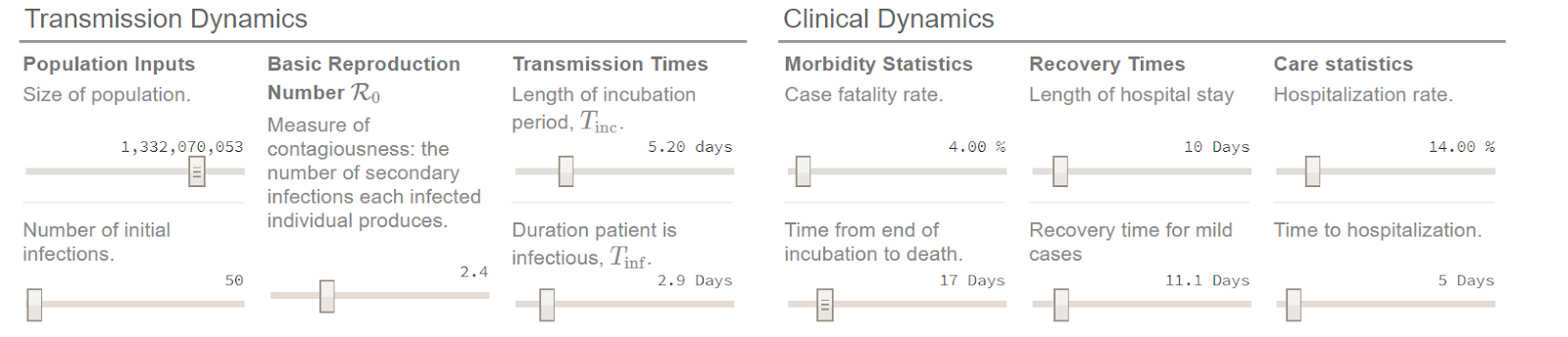
Graph 1- Predicting the coronavirus outbreak in India using Epidemic Calculator (http://gabgoh.github.io/COVID/index.html) in absence of any interventions. The pink bars are the number of active infections at any given time (and not the cumulative cases upto that time) , and the blue bars are the cumulative deaths. The input parameters are mentioned below the graph, based on the latest available research (reference at end of article). Important parameters include an R0=2.4 and Case Fatality Rate=4%. I encourage you to use this calculator and play with your own values to learn more.
This is what happens if no interventions are done to control coronavirus spread, ie, the worst case scenario for India. About 115,00,00,000 (115 crore) people are infected in total, which is about 85% of India’s population. In the process, the health system is overwhelmed and people lose their lives en-masse: total deaths ~ 4,50,00,000 (4.5 crore). This happens across a span of about 6 months, assuming a hypothetical scenario where no interventions are done at all and the disease is allowed to spread freely.
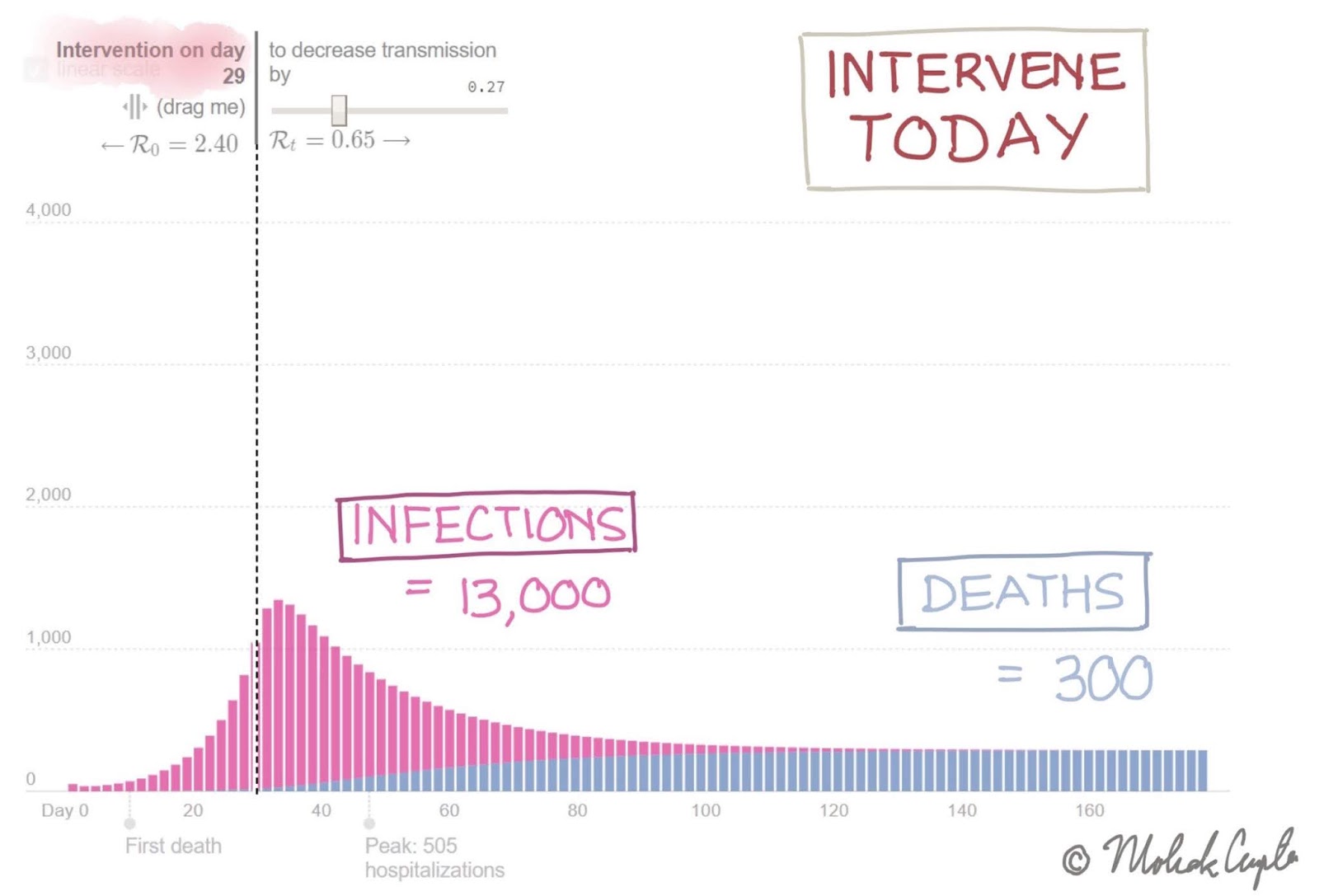
Graph 2- Predicting the coronavirus outbreak in India using Epidemic Calculator (http://gabgoh.github.io/COVID/index.html) if intervention is done ‘TODAY’– contact tracing and testing, isolation, travel restrictions, and atleast short term lockdowns. The CFR has been changed from 4% to 2%, since health system capacity is not exceeded in this scenario. The pink bars are the number of active infections at any given time (and not the cumulative cases upto that time) , and the blue bars are the cumulative deaths.
This is what we see if we intervene today (assuming a strong suppression intervention). Kindly notice the y axis scale has changed from millions in the previous graph to thousands in this one. A total of 13,000 cases and 300 deaths. We talked about how epidemics grow exponentially. Now we know how they die exponentially too.
As of writing this article, the confirmed cases in India stood at 344 with 7 deaths. You must understand the difference between true cases and confirmed/official cases. Say a person gets exposed on Day 1. He develops symptoms on Day 6 (mean incubation period is 5 days). He seeks care on Day 8 (this can be reduced with public awareness about symptoms). His results come back positive on Day 10. So the number of confirmed cases you see in the news on Day 10, those many cases actually existed 5 days ago when the person developed symptoms. This is complicated further by the uncertainty whether Covid patients can be infectious even before they are symptomatic. Let us stick to the simplified model for now. We may conclude that confirmed cases lag the true cases by about a week. The numbers we are seeing today are actually atleast a week old.How do we know the true cases as of today? There is no certain way to know, though there are some models that can estimate the same. Based upon those, let us assume that the actual number of cases today is about 10 times the confirmed cases. So that is about 350×10=3500 true cases as of today in India, which is the day I chose as the intervention day(=today) in the above graph.In addition to this, the magnitude of difference between true and confirmed cases depends on the rate of testing. India has not tested aggressively for coronavirus till now (Fig 3), and that means that the true cases may well be greater than estimated above, something to the tune of about 10x to 30x the confirmed cases. This is also suggested by new cases showing up with no contact or travel history, indicating that community transmission is already underway.
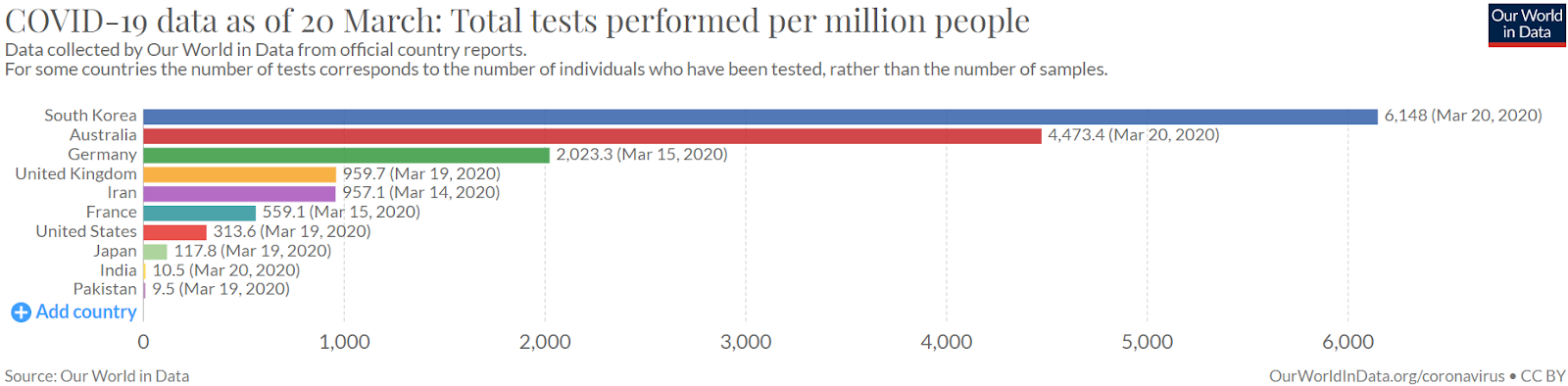
Fig 3- Tests performed per million population. India stands at an abysmal 10.5 tests/million, compared to South Korea’s aggressive testing at 6148 tests/million. Click here for latest stats on this.
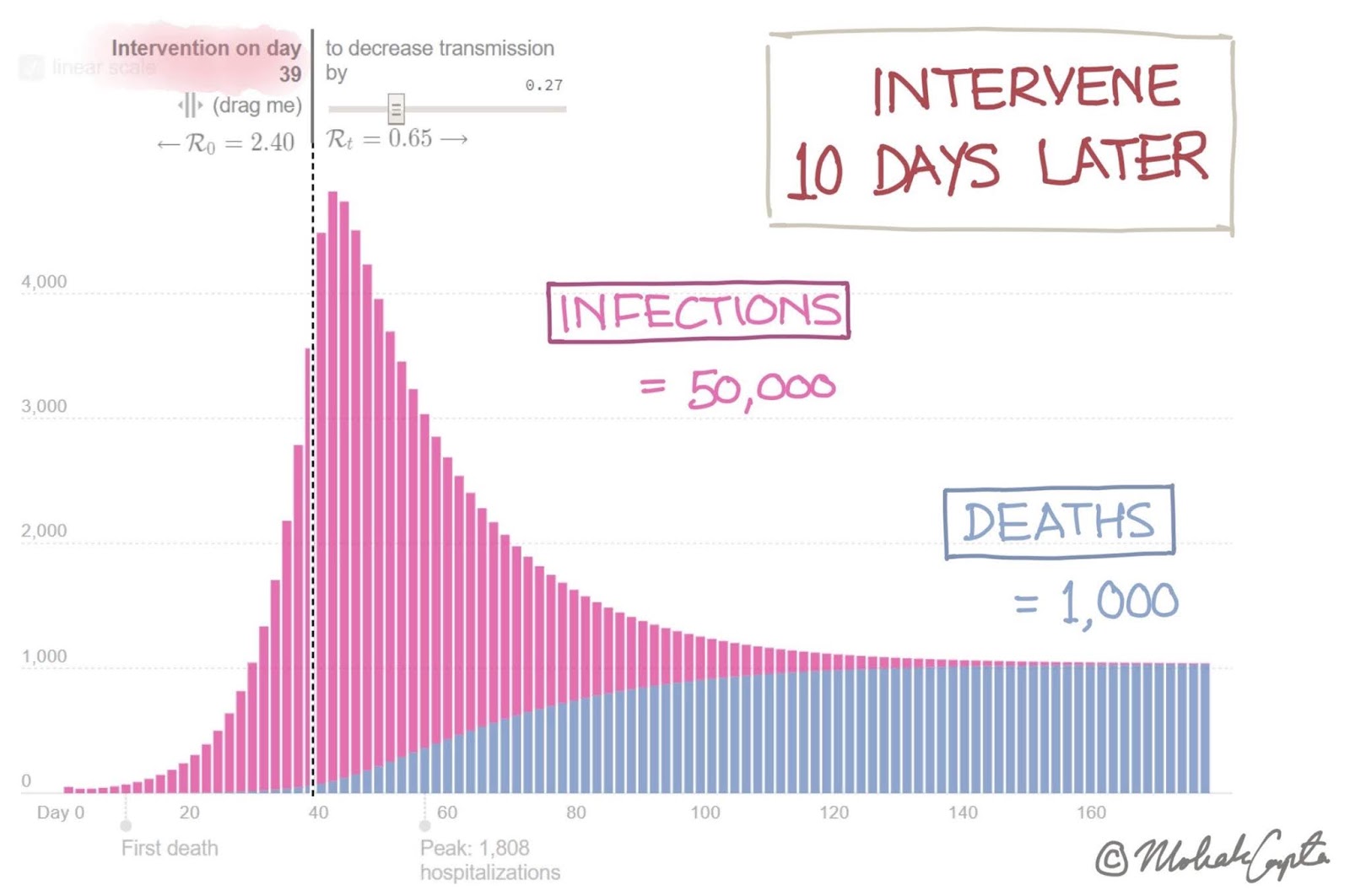
Graph 3- Predicting the coronavirus outbreak in India using Epidemic Calculator (http://gabgoh.github.io/COVID/index.html) if intervention is done ’10 DAYS LATER’.This is the scenario if we intervene after 10 days. We see about 50,000 cases and 1000 deaths duringthe entire outbreak, about a 3–4 fold increase for a 10 day delay in intervention. Realistically, India will be somewhere between these two scenarios (Graph 2 and 3), so we can expect about 13,000–50,000 total cases, and 300–1000 deaths.
By now, every one of us will agree on atleast one thing. We need to intervene, sooner rather than later.
Demography: A large percentage of India’s population lives in states with population density as high as 800 people per square kilometer- a fertile soil which will exponentially increase the speed of spread. The social distancing measures we all talk about may be possible for us to implement, but for homes in which 5 people have to sleep in one room, that is not feasible.
Healthcare system capacity: Majority of deaths due to coronavirus have been attributed not to the inherent severity of the disease, but to the sudden increase in number of patients requiring hospitalization, many folds higher than the number of hospital beds available. India has 7,00,000 hospital beds and 70,000 ICU beds. Hospital beds per 1000 people is 0.7 in India, 2.9 in USA, 3.4 in Italy (World Bank). Considering Italy has already been overwhelmed and US is on its way to the same, it is hard to imagine the degree to which India’s hospitals will be crushed if this crisis grows to epidemic proportions.
Healthcare system accessibility: There is another problem with healthcare in India, the huge rural-urban divide (Figure 1). Since this is an imported virus, most urban cities where travellers arrived were affected first, and then went on to spread centrifugally, ie, the pattern of spread is urban to rural. If we can arrest this spread by timely intervention, this factor would play a smaller role.
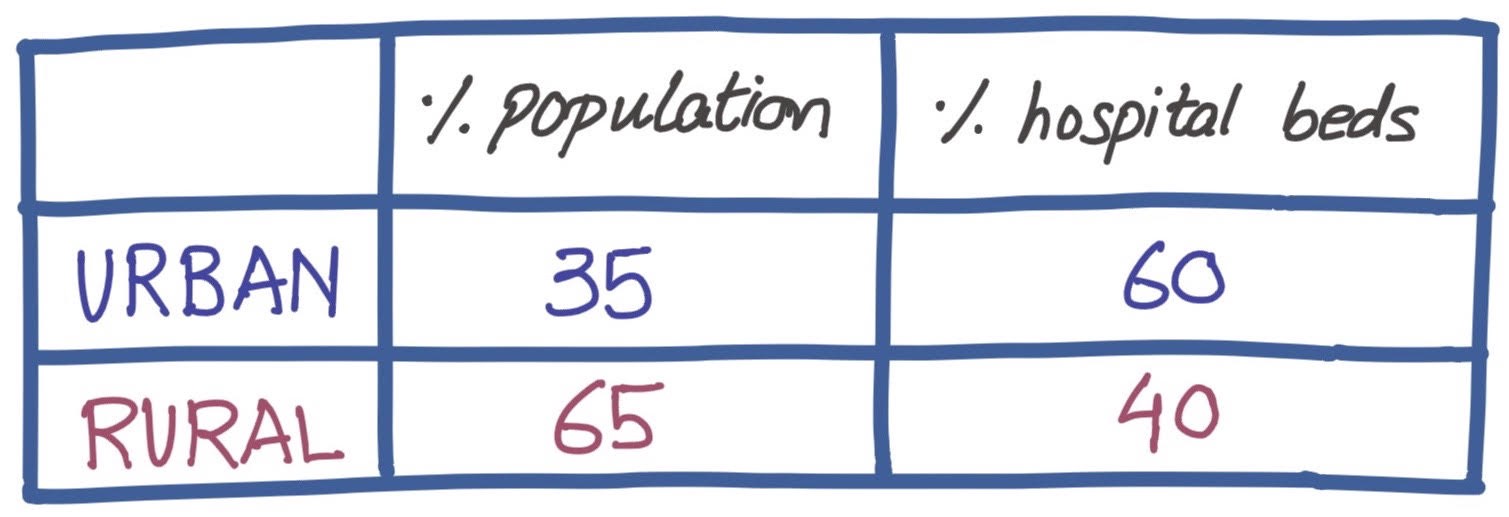
Fig 1: Rural-Urban divide in healthcare accessibility in India
Demography, again: The proportion of people above 65 years old to the total population is 6% in India, 16% in USA, and 22% in Italy. India is a young country, about half of India’s population is below 21. China saw 80,000 cases with 3,200 deaths, whereas Italy has seen 60,000 cases and 5,400 deaths- almost double the fatality rate. Since most of the mortality of coronavirus is in elderly or older people with pre-existing diseases, this factor is encouraging for India.
India is a late bloomer for coronavirus: We have already seen lots of countries trying to tackle this crisis, each in their own way. Some of them were able to contain it (China except Hubei, South Korea), while others faced disasters of epic proportions (Italy, Germany, US). It is only now, that India’s time has come, and we have the opportunity to act pro-actively rather than re-actively.
This is a whole topic in itself, including travel restrictions, social distancing, lockdown, and extensive contact tracing and testing. I will talk about the peculiarities of interventions with regard to India.
Starting with the “janata curfew” or “people’s curfew” on Sunday, about 80 districts across India have now been locked down except essential services. All international travel has been halted and Indian railways which carries over 23 million passengers daily is now shut. All inter state travel has also been shut down. It is widely expected that almost all of India will go in lockdown in the coming few days- the biggest quarantine ever in human history. This may seem draconian to some, but it is essential. Such measures widely break the chain of transmission and isolate existing chains. They also lead to cluster containment- ie, with no interstate movement, each state will behave as an independent cluster in epidemiological terms. This prevents seeding of disease into untouched/less affected states and more effective contact tracing in affected states. This approach can only be successful if each state takes responsibility for it’s own people. It is time for all of us to come at peace with the fact — we will all be under quarantine very soon, for the greater good.
This move comes in a very timely manner in India. Let me show you why. Look at this table carefully-
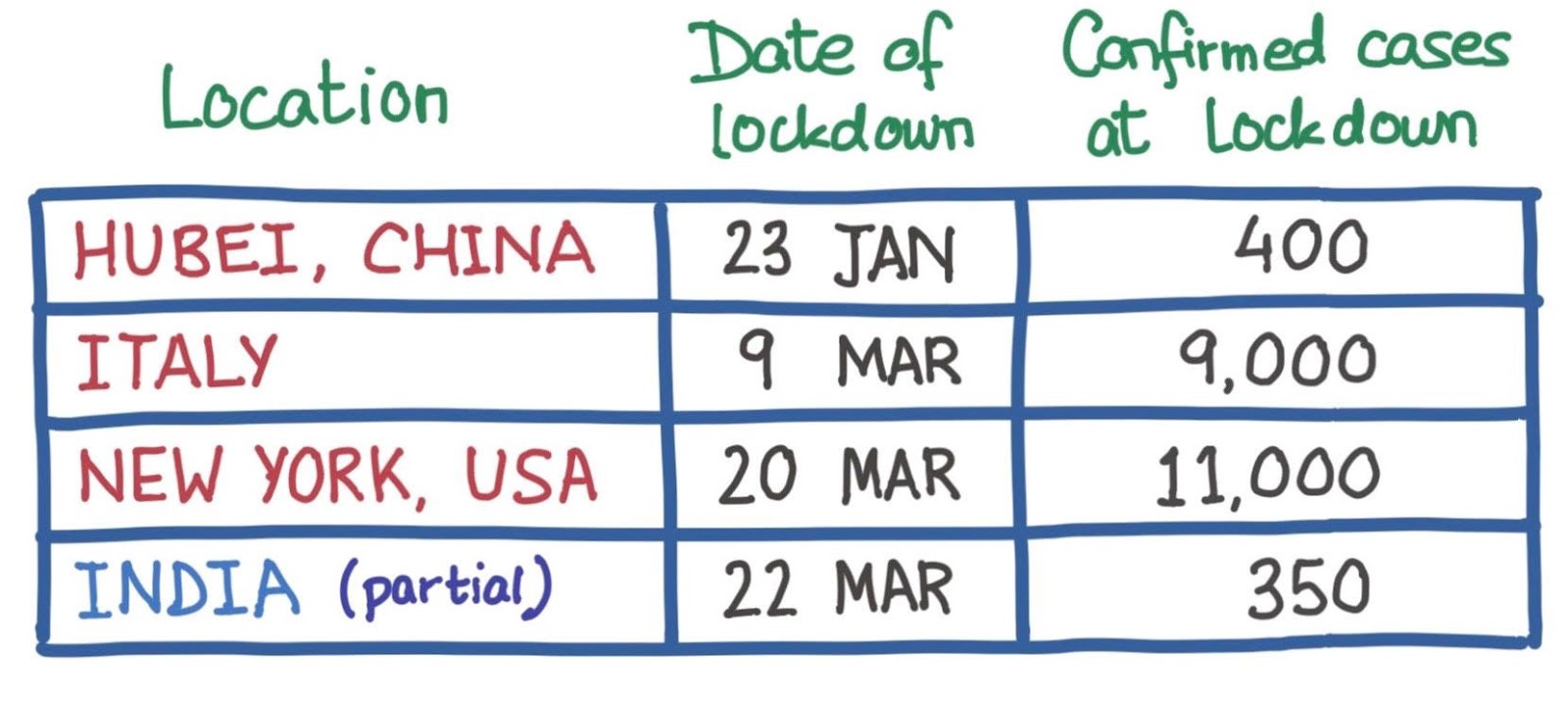
Fig 2: Lockdowns due to COVID19 across the world
Wuhan, the origin of COVID19, is the capital of the Chinese province of Hubei. Daily new cases started decreasing about 2 weeks after the lockdown. Hubei is already in the phase of slowly lifting most of the restrictions. The lockdown lasted for 2 months, they got it under control. What remains to be seen is how they progress from here, as history shows that lifting restrictions may lead to a second wave of disease.
As for Italy, the situation is very grim with daily cases and deaths still on the rise. Italy currently has about 800 daily deaths, more than were ever reported in China. My wishes are with the Italians, but they have shown us exactly what not to do. I would expect the daily new cases to start decreasing in Italy within the next few days- I have discussed this later.US is not very far behind. Infact with 6000 new cases in a day, US overtook Italy in the maximum number of new cases in a day.
The TIMING of quarantine and lockdown measures is of paramount importance! India has partially locked down as of now with 350 confirmed cases. India must ensure this is implemented widely across the country as soon as possible. And this must be continued for now, I hope you see why.
Say you have a confirmed case- Mr X. First you quarantine Mr X. You then trace all the people Mr X has been in contact with since onset of infectious period, reach out to them and place them under quarantine. In a slightly more aggressive strategy, you go ahead and test these contacts even if they don’t show symptoms (India is doing this now). By doing so and following up until all people in this chain either recover or are asymptomatic for 14 days, you end this particular chain of transmission originating from Mr X. Now you got to do this for all the existing chains! It is a huge task, but not an impossible one. We can learn from Kerala with their extraordinary track record in contact tracing.
Dr Mike Ryan from WHO said: “The danger right now with the lockdowns … if we don’t put in place the strong public health measures now, when those movement restrictions and lockdowns are lifted, the danger is the disease will jump back up. What we really need to focus on is finding those who are sick, those who have the virus, and isolate them, find their contacts and isolate them.” Lockdown will prevent new chains of transmission from forming, but the virus still proliferates in existing chains. These existing chains need to be identified. How? By extensive contact tracing, testing and isolation. It is only a combination of these two that will result in an effective suppression response.
As the outbreak progresses, more and more chains of transmission are formed with each branching point. The earlier you do the lockdown, the fewer chains you need to track down and isolate. Here we have another reason for why early intervention is beneficial. Timely lockdowns are more effective, and they last for shorter periods of time. The earlier we enforce it, we earlier we can start lifting it, the earlier the people and economy can start to recuperate.If you are careless and let the outbreak reach Phase IV- widespread community transmission, you can no longer discern where the cases originate from. It becomes a huge interconnected web and you can no longer effectively do contact tracing. This is where New York is right now- they have asked people not to get tested because they don’t have enough equipment for doing those huge number of tests. Testing in New York is now reserved for healthcare professionals, hospitalised patients, and high risk symptomatic people. Alas, but at this point you can only sit tight and brace for impact.
Let us assume we enforce lockdown on Day 1. This has an immediate effect of cutting down exposure of infected people to healthy people. Since the mean incubation period is 5 days (range 4–14 days), daily new symptomatic patients will start decreasing from Day 6 (new patients who are symptomatic from Day 1 to Day 5 have actually been infected before the lockdown). The patient soon seeks care and is diagnosed as a confirmed case. All these steps take time and so the effect is not immediately visible. It has been seen in the case of China, that it takes about 10–14 days after lockdown enforcement for the effect to show.We should expect a drastic increase in new cases and fatalities in India for the next couple of weeks (atleast for 10 days), thanks to expected exponential phase and expanded testing criteria. It is important not to be discouraged by this finding. With India already at the brim of ICU bed occupancy, many of our hospitals will be overburdened. Due to the chronic under-funding of healthcare in India, we need to ensure some stop-gap measures immediately. The government needs to make sure we acquire enough PPE (personal protective equipment), add extra bed capacity by repurposing beds and creating new facilities, and acquire ventilators- fast!
As Tomas Pueyo writes in his enlightening analysis, time is the most valuable thing we stand to gain from a lockdown. The time to learn more about what we are facing, the time to do research on medicines and vaccines, the time to prepare our infrastructure for any impending attack. It’s like holding the enemy at bay, while we prepare our defenses and send our spies to know thy secrets. The enemy also starts to die down by itself in the meantime due to dwindling supplies.
An exponential growth curve which eventually flattens out is called a logistic curve (Fig 4 left). The slope of this graph at any given time shows the rate of increase of cases over time ~ number of daily new cases. The inflection point is the point at which the slope first starts decreasing/flattening out. How do we know we have reached the inflection? By keeping an eye on the daily new cases. When you see new cases for a day are less than the new cases on the previous day, you know you’re there. The absolute number of cases will still increase after this, but the rate of increase slows down, and that is the first indication that we are starting to get a hold of the outbreak.
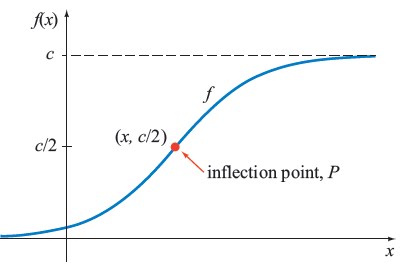
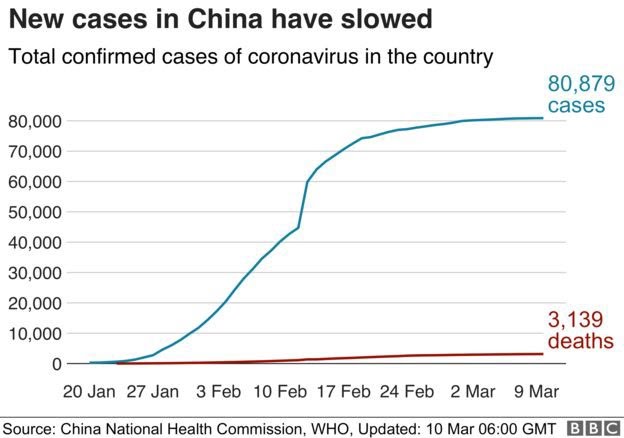
Fig 4(top)- A standard logistic growth curve, showing the inflection point. Fig 4(bottom)- Cumulative COVID19 cases over time in China. China showed its inflection point on Feb 5 (13 days after lockdown). The notch in the middle of the graph is a statistical artifact as a result of change in case criteria.
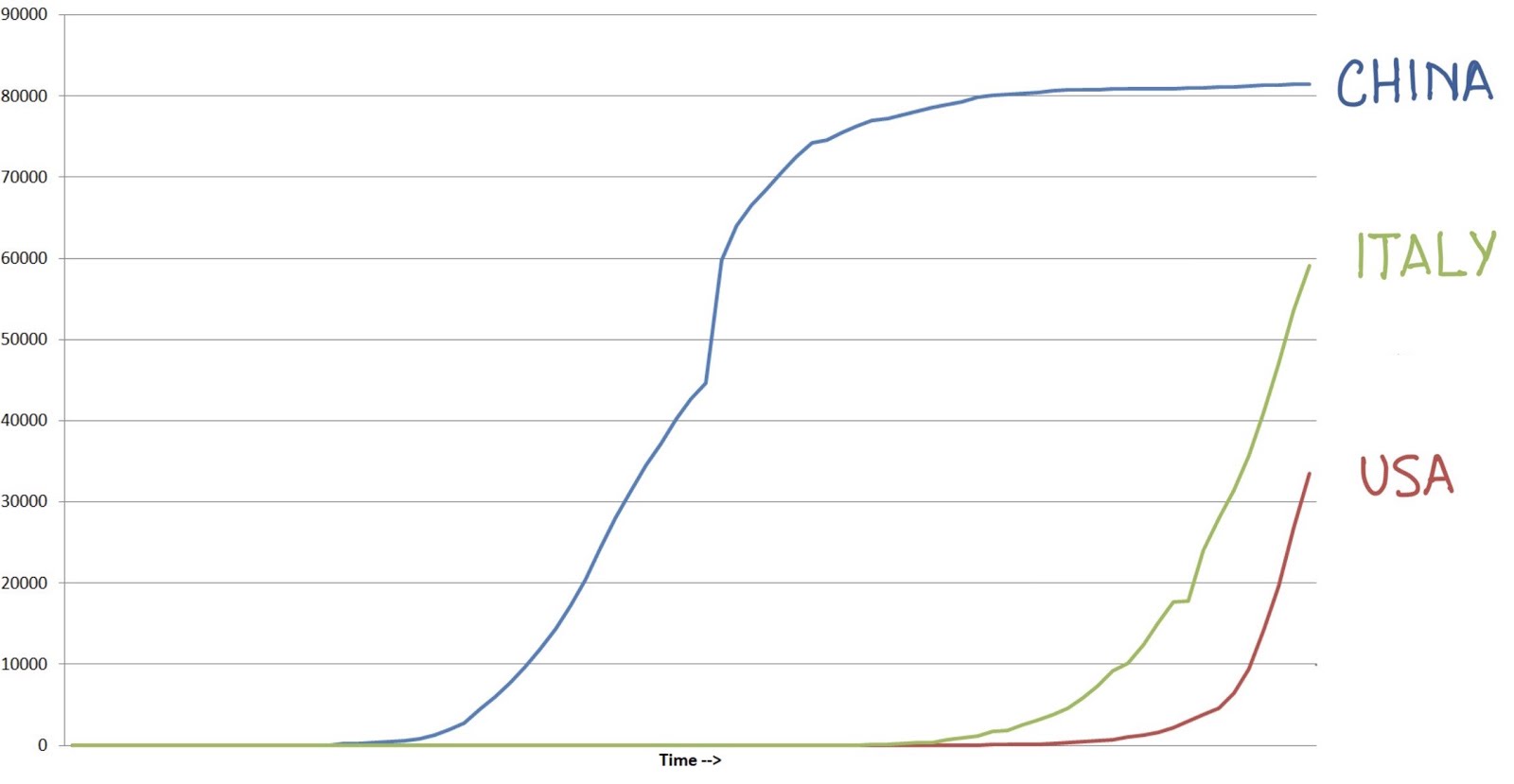
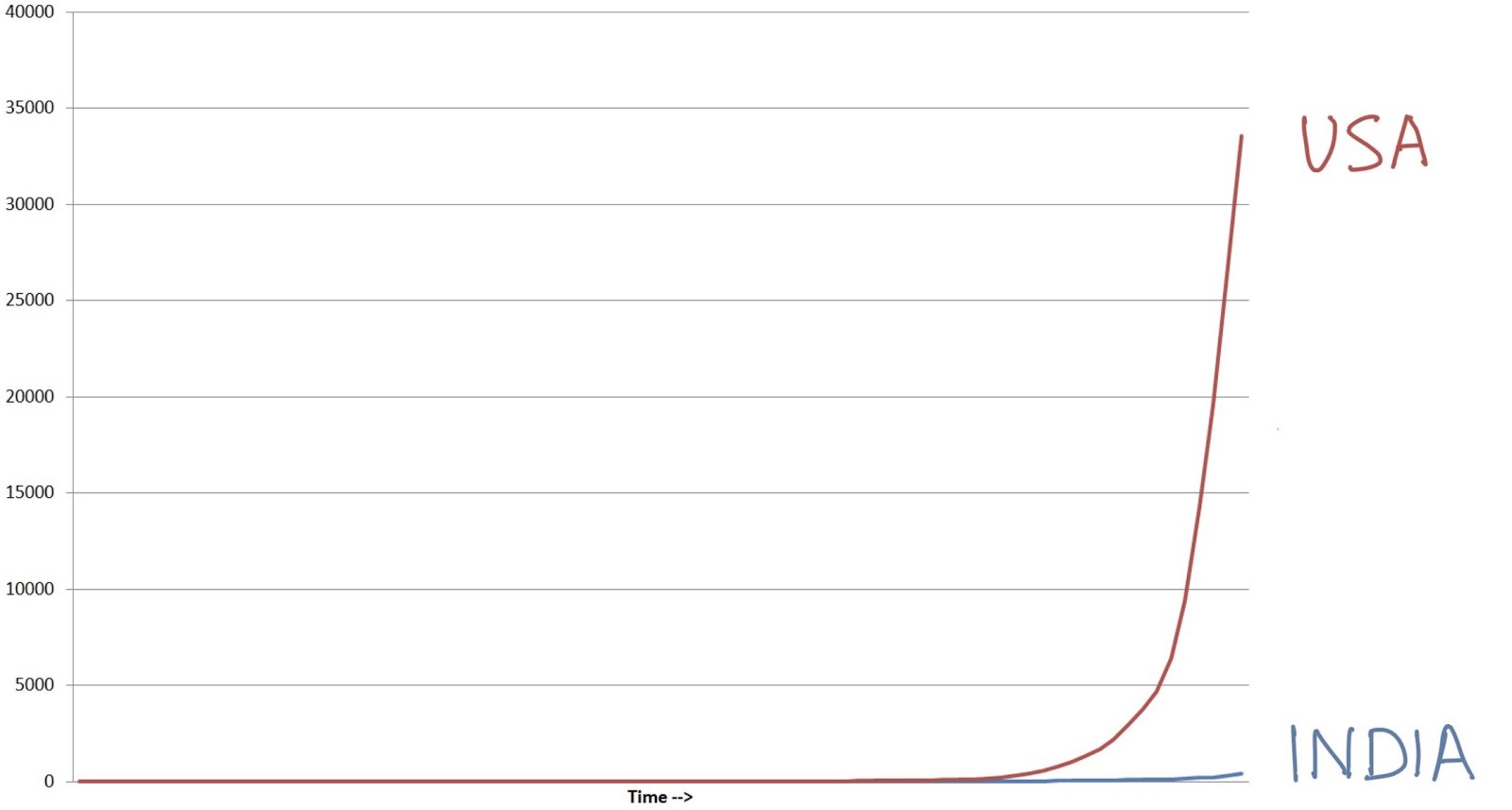
Fig 5(top)- Cumulative COVID19 cases over time. China has completed the logistic curve, while Italy and USA are still in the pre-inflection exponential growth phase. Fig 5(bottom)- Zoomed in picture from the lower right corner of the first graph, showing India just starting out in the logistic curve. Compare India’s current graph with when the other three countries were just starting out.
You can see a peculiar similarity between the two graphs (Fig 4left and right), one hypothetical and the other real. It’s almost stunning how maths can approximate reality to such a degree of accuracy. China showed its inflection point on Feb 5, which was 13 days after lockdown (Fig 4 right), and is now on the terminal flat part of the curve. US and Italy entered exponential growth earlier (Fig 5 left), and are now in the relatively linear part of the growth curve. I expect Italy to hit inflection soon (how to predict this here). India has just started on the exponential growth phase (Fig 5 right), and will take quite some time to reach inflection.
~Social distancing.
~Enforce wide and definitive lockdown measures for atleast 2–4 weeks.
~Expect and prepare for drastic increase in cases for the next 2 weeks. Acquire additional health system capacity for the same.
~Effective isolation of patients, contact tracing and quarantine measures. Ramp up testing.
~Elderly (above 65 years) to be protected more vigorously. Save the old from the young.
~Fast-track indigenous vaccine development so that we can prevent a second wave later.
~Provide social security to people who are affected most during the lockdown- mostly daily wage workers.
We should not expect the government to do all of this. It is our collective civic duty to adhere to public health guidelines and help out in whatever way we can. It may be difficult for us in India, who are unknown to the concept of mass lockdown, to comprehend what is happening. But we need to know why this is happening and accept the fact that it is. The policy-makers (government) and the policy-takers (public) need to step up to this challenge together. India can do this!
We can either make this an opportunity to transform our healthcare and outbreak response strategy into a robust one, or let it break through the very backbone of our nation.
A staggering number of people still don’t understand what we are going through. If you think other people need to know more about this, go ahead and share this with your friends. With most of us on lockdown, they would appreciate something to kill(?) their time. If you would like to add something to what I’ve written, or disagree with some part of it, feel free to leave a response below and I will be happy to respond.
I’ll leave you with this-

The power of social distancing! Take a look at the effect on branches on the extreme right. (graphic by Toby Morris and Siouxsie Wiles)
You can contact me at xmohakgupta@gmail.com for queries/discussions/collabs.
Additional reading:Coronavirus: The Hammer and the Dance — by Tomas Pueyo (excellent read)
The proximal origin of SARS-CoV-2 — genomic analysis to determine origins of this novel virus. Also answers whether it was genetically engineered or not.
Exponential growth and epidemics — by 3blue1brown
Predicting impact of public health measures on COVID mortality and healthcare demand — by Imperial College London
Latest on attempt to build passive immunity using human serum from COVID survivorsCoronavirus India case tracker — by CovidOutReferences:Only references for the epidemiological and clinical parameters used in predictive modeling are listed here. Other references are provided with the respective data in the main text.

When germs enter the body, the immune system recognizes them as foreign substances (antigens). The immune system produces the right antibodies to fight the antigens.Vaccines contain weakened versions of a virus or versions that look like a virus (called antigens). This means the antigens cannot produce the signs or symptoms of the disease, but they do stimulate the immune system to create antibodies. These antibodies help protect you if you are exposed to the virus in the future.Vaccines not only help keep your child healthy, they help all children by stamping out serious childhood diseases. Dr Ajay Gupta at Ludhiana Hospital Bathinda Is leading pediatrician Practicing from last 20 years. Ludhiana Hospital Bathinda provides all Childhood & adult Vaccination.
Vaccines are generally safe. The protection provided by vaccines far outweighs the very small risk of serious problems. Vaccines have made many serious childhood diseases rare today. Talk to your family doctor if you have any questions.
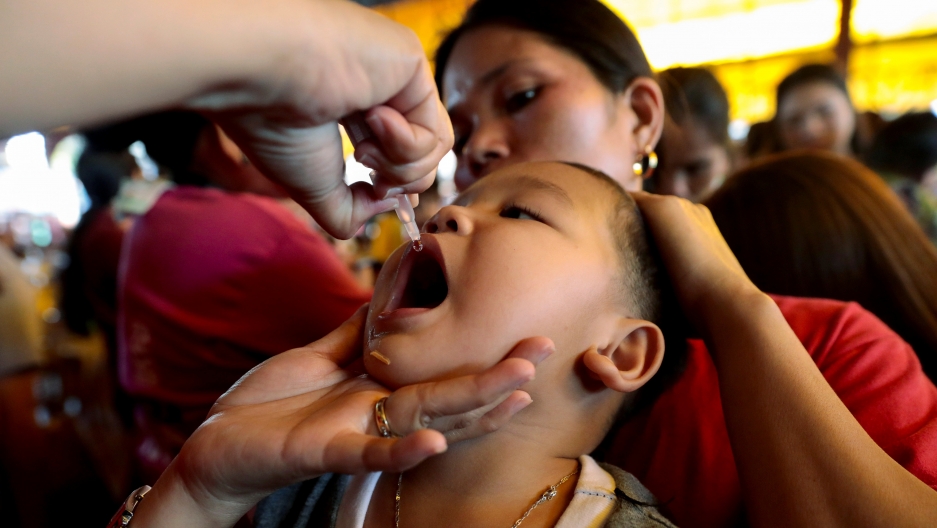
Some vaccines may cause mild, temporary side effects, such as fever, soreness, or a lump under the skin where the shot was given. Your family doctor will talk to you about possible side effects with certain vaccines.
Recommendations about when to have your child vaccinated changes from time to time. You can get a copy of the most current child and adolescent vaccination schedules from an organization, such as the American Academy of Family Physicians, the Centers for Disease Control and Prevention (CDC), or you can ask your family doctor. Your child usually receives their first vaccine soon after they are born.Having your child immunized when he or she is young (which means making sure he or she gets all vaccines) protects your child against these diseases for about 10 years. After this time, your child will need booster shots.
In special situations, children shouldn’t be vaccinated. For example, some vaccines shouldn’t be given to children who have certain types of cancer or certain diseases, or who are taking drugs that lower the body’s ability to resist infection.If your child has had a serious reaction to the first shot in a series of shots, your family doctor will probably talk with you about the pros and cons of giving him or her the rest of the shots in the series.Talk to your doctor if you have any questions about whether your child should receive a vaccine.
The flu vaccine (also called the influenza vaccine) is available by shot or by nasal spray. However, the CDC recommend the nasal-spray vaccine should not be used for the 2016-2017 flu season. Data from the CDC and other groups showed poor or relatively lower effectiveness of the nasal spray vaccine during previous flu seasons.The flu shot contains a version of a virus that looks like a virus. The nasal-spray vaccine contains live, but weakened viruses. You cannot get the flu from the flu shot or the nasal-spray vaccine.The flu vaccine is given at the beginning of the flu season, usually in October or November. The flu shot is safe for children 6 months of age and older. The nasal spray vaccine is safe for children 2 years of age and older. Because flu viruses change from year to year, it is very important for your child to get the vaccine each year so that he or she will be protected. Children are more likely to have complications from the flu.

The DTaP vaccine is 3 vaccines in 1 shot. It protects against diphtheria, tetanus and pertussis. It’s given as a series of 5 shots, the first when your child is 2 months old and the last when they are 4- to 6 years old.Diphtheria is a disease that attacks the throat and heart. It can lead to heart failure and death. Tetanus is also called “lockjaw.” It can lead to severe muscle spasms and death. Pertussis (also called “whooping cough”) causes severe coughing that makes it hard to breathe, eat, and drink. It can lead to pneumonia, convulsions, brain damage, and death.Having your child immunized when he or she is young (which means making sure he or she gets all of the DTaP shots) protects your child against these diseases for about 10 years. After this time, your child will need booster shots.
The Tdap vaccine is used as a booster to the DTaP vaccine. It helps prevent tetanus, diphtheria, and pertussis. It’s given when your child is 11 years old or older.
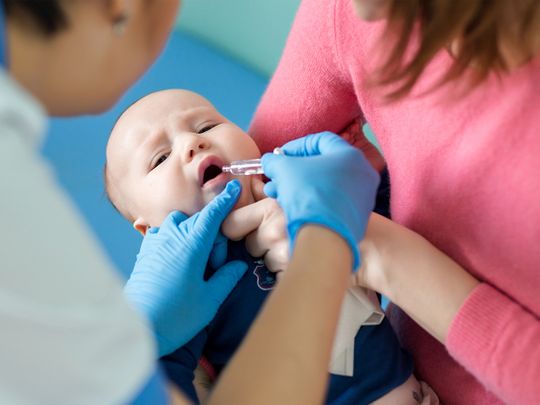
The rotavirus vaccine protects against rotavirus. Your child will receive either a two-dose, at 2 and 4 months of age, or a three-dose series, at 2, 4, and 6 months of age, depending on what your doctor recommends. All doses should be given by no later than age 8 months of age.Rotavirus is a virus that causes diarrhea, mostly in babies and young children. The diarrhea can be severe and cause dehydration. Rotavirus can also cause vomiting and fever in babies.After rotavirus vaccination, call your family doctor if your child has stomach pain with severe crying (which may be brief), vomiting, blood in the stool, or is acting weak or very irritable. This is especially important within the first seven days after rotavirus vaccination. Contact your doctor if your child has any of these signs, even if it has been several weeks since the last dose of vaccine.
The IPV (inactivated poliovirus) vaccine helps prevent polio. It’s given four times as a shot, from age 2 months to 6 years.Polio can cause muscle pain and paralysis of one or both legs or arms. It may also paralyze the muscles used to breathe and swallow. It can lead to death.

The MMR vaccine protects against the measles, mumps, and rubella (MMR). It’s given as 2 shots when your child is 1 year old and again when they are 4- to 6 years old.The measles cause fever, rash, cough, runny nose, and watery eyes. It can also cause ear infections and pneumonia. Measles can also lead to more serious problems, such as brain swelling and even death.The mumps cause fever, headache, and painful swelling of one or both of the major saliva glands. Mumps can lead to meningitis (infection of the coverings of the brain and spinal cord) and, very rarely, to brain swelling. Rarely, it can cause the testicles of boys or men to swell, which can make them unable to have children.Rubella is also called the German measles. It causes a slight fever, a rash and swelling of the glands in the neck. Rubella can also cause brain swelling or a problem with bleeding.If a pregnant woman catches rubella, it can cause her to lose her baby or have a baby who is blind or deaf, or has trouble learning.Some people have suggested that the MMR vaccine causes autism. However, research has shown that there is no link between autism and childhood vaccinations.
The Hib vaccine helps prevent Haemophilus influenzatype b, a leading cause of serious illness in children. It can lead to meningitis, pneumonia and a severe throat infection. The Hib vaccine is given as a series of 3 or 4 shots, from age 2 months to 15 months.
The varicella vaccine helps prevent chickenpox. It is given to children once after they are 12 months old and again at 4- to 6 years old, or to older children if they have never had chickenpox or been vaccinated.
The HBV vaccine helps prevent hepatitis B virus (HBV) infection, an infection of the liver that can lead to liver cancer and death. The vaccine is given as a series of 3 shots, with the first shot given soon after birth.
The pneumococcal conjugate vaccine (PCV) protects against a type of bacteria that is a common cause of ear infections. This type of bacteria can also cause more serious illnesses, such as meningitis and bacteremia (infection in the blood stream). Infants and toddlers are given 4 doses of the vaccine at 2, 4, 6, and 12 months of age. The vaccine may also be used in older children who are at risk for pneumococcal infection.
The meningococcal conjugate vaccine (MCV4) protects against four strains (“types”) of bacterial meningitis caused by the bacteria N. meningitidis. Bacterial meningitis is an infection of the fluid around the brain and spinal cord. It is a serious illness that can cause high fever, headache, stiff neck, and confusion. It can also cause more serious complications, such as brain damage, hearing loss, or blindness.Children should get the MCV4 vaccine at 11 to 12 years of age. Children older than 12 years of age who have not received the vaccine should receive it before starting high school.
The HPV vaccine helps prevent human pappilomavirus infection, which can caused cervical cancer as well as genital warts. It is given as a 3- shot series.
A common scene: “While you are shopping with your child, he stops in front of a shop and asks for an expensive toy. You try convincing him that he already has many. He refuses to listen, starts crying rolls over on the floor, you try to stop. You yell and shout at him but nothing seems to work. You finally buy the toy for him. Now he is happy!”

Are all kids stubborn?
Most kids are stubborn at times. This is considered normal in the first few years of life. However, if this behavior is persistent, then it calls for evaluation and introspection on part of the parents.
What problems can arise due to their stubborn behavior?
A pervasive stubborn and adamant attitude in children can lead to the following:
Is punishment an effective method?
Punishment works as a temporary method to stop stubborn behavior. However, it is not recommended always. First it is important for parents to understand reason for kids being stubborn.
What can parents do when child is in the midst of a tantrum?
When the child is in the midst of a tantrum, it is important that parents stay calm and composed. Time out, walking away from the situation, ignoring the child, till he gets out of it is the best solution.
What is a time out?
Time-out is a form of behavioral modification that involves temporarily separating a child from an environment where unacceptable behavior occurred. Time-outs may be on a chair, in a corner, bedroom, or any other location where there are no distractions, and reduced access to fun items, activities and people.This procedure is preferable to other punishments such as reprimanding, yelling at or spanking the child for their misbehavior.
How much time can I give a time out for?
Time outs must be brief. A rule of thumb for time outs is “one minute per year of age”, for example if your child is 5 yrs old, time out given maybe for 5 mins.
What is positive reinforcement?
Positive reinforcement is catching your child doing good and praising/ rewarding him for the same. It is an effective means to improve behavior in children. Set up a target for your child, give him stars on days when he meets set goals and at the end of the week, reward him with something that he wants. This is called behavioral charting and is very effective in kids.
Common parenting tips to be followed?
Children learn by observing parents. Parents attitude and behavior influences child’s behavior in a major way
Identify the antecedents to their stubborn behavior. Do not scold them or beat them, but be composed when you deal with them. Do not give in to their demands in the midst of a tantrum. Ignoring the tantrum is the best way out.
Most crucial aspect is to ensure that all members of the family agree on the same disciplining method. Convince all at home that being firm with the child when he throws tantrums is in the best interest of the child.
Dr Ajay Gupta
MD Pediatrics
Child Specialist
Ultrasound (US) imaging is a safe, painless and radiation-free method of producing real time pictures of internal organs and systems. It is used to examine many parts of the body including the abdomen, pelvis and blood vessels, as well as the fetus during pregnancy.These common scans are done at Ludhiana Hospital & Scan centre bathinda

Because your doctor needs more information about your condition to guide your health care, you have been advised an ultrasound scan for a diagnostic examination.
7 COMMON TYPES OF ULTRASOUND SCANS:
1. Abdominal Ultrasound : Assesses the gallbladder, liver, spleen, pancreas and kidneys.
2. Fetal or Obstetric Ultrasound: Evaluates the size and age of a fetus and assesses its growth, development and well-being during pregnancy. Fetal ultrasound can be used to detect some, but not all, fetal abnormalities.

3. Nuchal translucency screening Ultrasound : Assesses the risk for down syndrome (DS) and other chromosomal abnormalities in a fetus during pregnancy. Test performed at a fetal age of 11-13 weeks by a trained radiologist
4. Pelvic or Transvaginal Ultrasound: evaluates the uterus, ovaries and their surrounding anatomy. A pelvic ultrasound may require a specially designed transducer be gently inserted into the vagina.
5. Thyroid Ultrasound: Evaluates the size of the thyroid gland and looks for thyroid nodules.
6. Sonomammography : Assesses the nature of breast abnormality, solid or cystic; a non-cancerous lump of tissue or a cancerous tumour.

7. Follicular study: Evaluates size of the follicle in ovaries & a few uterine factors by ultrasound, thereby determining the time of ovulation, helpful in managing infertility
These common scans are done at Ludhiana Hospital & Scan centre bathinda . where we make your comfort and safety the focus of our concern. Dr Nidhi Gupta is an expert & certified sonographer with an experience of more than 18 years. She will efficiently and caring capture the detailed images needed, interpret them and promptly report the results giving you and your doctor a clearer, more accurate picture of your health.
Be assured that throughout your examination, our skilled and compassionate staff and doctor will be dedicated to your care, comfort and safety. You are in safe hands.
Dr Nidhi Gupta
SHARE
As an adult, you are busy with life and have many responsibilities — but don’t forget to take care of yourself !

Today, everyone among-st adults is physically and mentally stressed out to cope with the ever increasing competition and expectations. Ever increasing working hours, improper meals at irregular times, coffee and junk food habits, congested work places, unhealthy lifestyles, lack of exercise and fresh air, everything is virtually pushing adults to decreased immunity. This makes adults vulnerable to the disease. Ludhiana Hospital Bathinda Provides Adult vaccination.
Also protection from some childhood vaccines can wear-off over time. Adults, thus become at risk for vaccine-preventable diseases due to their age, job, lifestyle, or health conditions. Every year, thousands of adults become seriously ill and are hospitalized because of diseases that vaccines can prevent. These diseases could turn fatal in many adults (>25% of deaths in adults is due to infectious diseases).
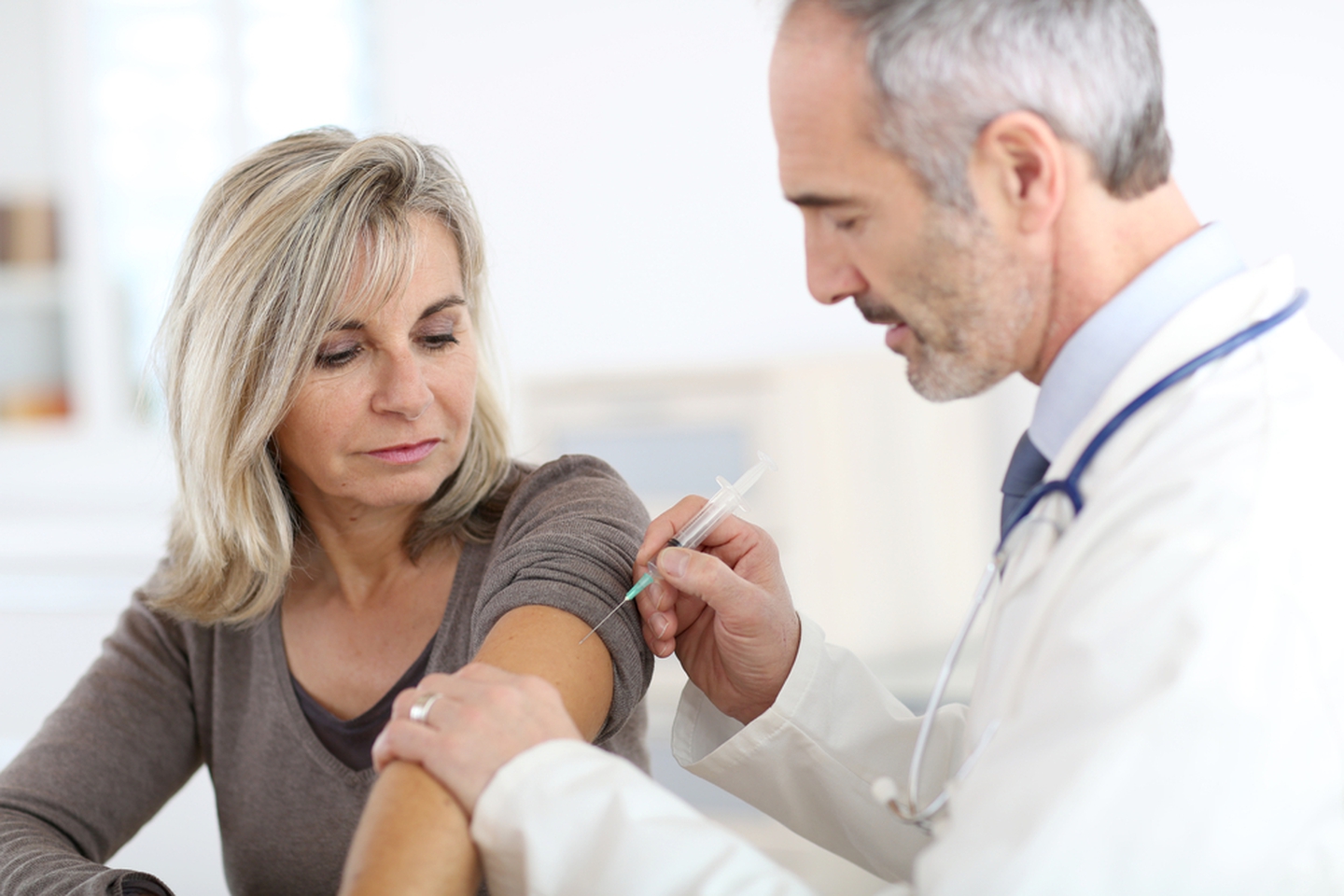
Old age again brings threat to get infections due to waning immunity in grand parents. This again could put the entire family into distress to handle them in illness. Moreover, they can spread the serious diseases in the family itself, children as well as adults due to their poor health.
Vaccines are recommended for adults on the basis of age, prior vaccinations, health conditions like asthma, diabetes,renal disease, liver disease etc, lifestyle, occupation, and travel. Adult vaccination has significant role in curbing morbidity, mortality, and disability among adults due to infectious diseases such as tetanus, diphtheria, pertussis, hepatitis A, hepatitis B, human papilloma virus (HPV) causing cervical cancer in women, Japanese encephalitis, measles, mumps, rubella, meningococcus, pneumococcus, typhoid, flu ( including swine flu), and chickenpox.
The need for vaccines does not go away with growing age. Vaccination is recommended throughout life to prevent infectious diseases and their complications.
Always remember, Vaccination is not just for children!!!
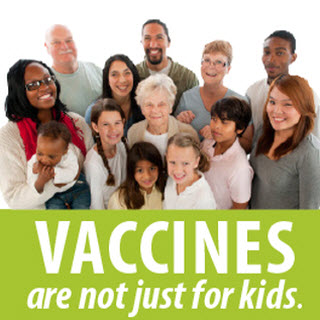
Protect your child, family members, parents, and yourself by being up-to-date on vaccinations! This shall reduced morbidity (illness), hospital admissions, health costs, mortality (deaths) and perhaps most importantly leading to improved quality of life .
“Pain now, Gain later Pay now, Save later Decide now for Health later!”
Talk to your doctor about the vaccinations you & your family might need to protect your health for life!
Ludhiana Hospital bathinda
Children Hospital & vaccination Centre
This is an example post, originally published as part of Blogging University. Enroll in one of our ten programs, and start your blog right.
You’re going to publish a post today. Don’t worry about how your blog looks. Don’t worry if you haven’t given it a name yet, or you’re feeling overwhelmed. Just click the “New Post” button, and tell us why you’re here.
Why do this?
The post can be short or long, a personal intro to your life or a bloggy mission statement, a manifesto for the future or a simple outline of your the types of things you hope to publish.
To help you get started, here are a few questions:
You’re not locked into any of this; one of the wonderful things about blogs is how they constantly evolve as we learn, grow, and interact with one another — but it’s good to know where and why you started, and articulating your goals may just give you a few other post ideas.
Can’t think how to get started? Just write the first thing that pops into your head. Anne Lamott, author of a book on writing we love, says that you need to give yourself permission to write a “crappy first draft”. Anne makes a great point — just start writing, and worry about editing it later.
When you’re ready to publish, give your post three to five tags that describe your blog’s focus — writing, photography, fiction, parenting, food, cars, movies, sports, whatever. These tags will help others who care about your topics find you in the Reader. Make sure one of the tags is “zerotohero,” so other new bloggers can find you, too.
Have a WordPress.com account? Log in now.

